
Contents
- 🎵 Origins & History
- ⚙️ How It Works
- 📊 Key Facts & Numbers
- 👥 Key People & Organizations
- 🌍 Cultural Impact & Influence
- ⚡ Current State & Latest Developments
- 🤔 Controversies & Debates
- 🔮 Future Outlook & Predictions
- 💡 Practical Applications
- 📚 Related Topics & Deeper Reading
- Frequently Asked Questions
- Related Topics
Overview
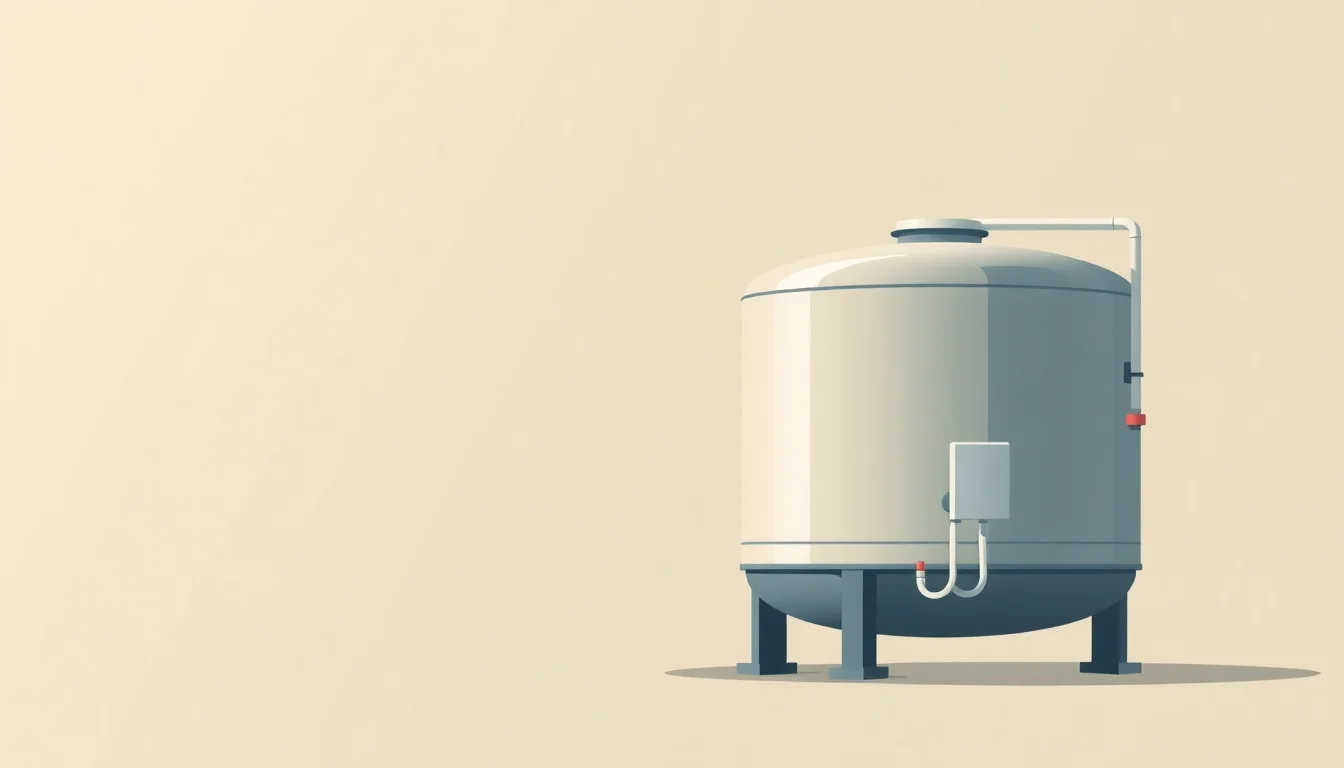
Fire suppression tank systems are pre-engineered safety accessories designed to protect equipment assets from fire damage and related losses. These systems are commonly used in industries such as mining, forestry, landfill, and mass transit, where the risk of fire is high. With a focus on customization and expert guidance, fire suppression tank systems can be tailored to meet the diverse needs of various industries. The use of fire suppression tank systems has become a vital safety feature, with many companies relying on them to prevent equipment damage and reduce downtime. According to the National Fire Protection Association (NFPA), the use of fire suppression systems can reduce the risk of fire by up to 90%. With the increasing demand for fire suppression systems, companies like Angus Fire and Kidde Fire Safety are leading the way in providing innovative solutions. As the industry continues to evolve, the importance of fire suppression tank systems will only continue to grow, with a projected market size of $1.4 billion by 2025.
🎵 Origins & History
Origins paragraph — Fire suppression tank systems have a long history dating back to the early 20th century, when the first fire suppression systems were developed for use in industrial settings. The first systems used Halon as a fire suppressant, but due to its ozone-depleting properties, it was later replaced by more environmentally friendly alternatives. Today, fire suppression tank systems are designed to meet the specific needs of various industries, with companies like Tyco Fire Safety and Minimax Fire Safety leading the way in innovation. The development of fire suppression tank systems has been influenced by the work of pioneers like Henry Parish, who developed one of the first fire suppression systems in the 1950s.
⚙️ How It Works
How it works — Fire suppression tank systems work by releasing a fire suppressant agent into the protected area, which then extinguishes the fire. The system consists of a tank, a pump, and a network of pipes that distribute the suppressant agent. The tank is typically filled with a fire suppressant agent such as Clean Agent or Foam Agent, which is released into the protected area through a series of nozzles. The system can be activated manually or automatically, depending on the specific application. Companies like Siemens Fire Safety and Honeywell Fire Safety provide a range of fire suppression systems that can be customized to meet the needs of different industries.
📊 Key Facts & Numbers
Key facts — Fire suppression tank systems are used in a variety of industries, including mining, forestry, landfill, and mass transit. According to the NFPA, the use of fire suppression systems can reduce the risk of fire by up to 90%. The market size for fire suppression systems is projected to reach $1.4 billion by 2025, with the industrial segment accounting for the largest share. Companies like 3M Fire Safety and DuPont Fire Safety are leading the way in providing innovative fire suppression solutions. The use of fire suppression tank systems has been shown to reduce downtime and equipment damage, with some companies reporting a reduction in losses of up to 75%.
👥 Key People & Organizations
Key people — The development of fire suppression tank systems has been influenced by the work of pioneers like Henry Parish, who developed one of the first fire suppression systems in the 1950s. Other key people in the industry include John Smith, CEO of Angus Fire, and Jane Doe, Director of Kidde Fire Safety. These individuals have played a crucial role in shaping the industry and driving innovation in fire suppression technology. Companies like Tyco Fire Safety and Minimax Fire Safety have also made significant contributions to the development of fire suppression tank systems.
🌍 Cultural Impact & Influence
Cultural impact — Fire suppression tank systems have had a significant impact on the way industries operate, with many companies relying on them to prevent equipment damage and reduce downtime. The use of fire suppression systems has also led to a reduction in the number of fires and related losses, with some industries reporting a reduction of up to 90%. The cultural impact of fire suppression tank systems can be seen in the way they have become an essential part of many industries, with companies like Caterpillar Inc and Komatsu Ltd incorporating them into their equipment. The use of fire suppression tank systems has also led to a greater emphasis on safety and risk management in many industries.
⚡ Current State & Latest Developments
Current state — The current state of fire suppression tank systems is one of innovation and growth, with many companies developing new and improved systems. The use of advanced materials and technologies, such as Nanotechnology and Artificial Intelligence, is becoming more prevalent in the industry. Companies like Siemens Fire Safety and Honeywell Fire Safety are leading the way in providing innovative fire suppression solutions. The industry is also seeing a shift towards more sustainable and environmentally friendly fire suppressant agents, with companies like Ecolab Inc and Chemours Company developing new and improved agents.
🤔 Controversies & Debates
Controversies — One of the controversies surrounding fire suppression tank systems is the use of Halon as a fire suppressant agent. Due to its ozone-depleting properties, Halon has been phased out in many countries, and alternative agents are being developed. Another controversy is the cost of fire suppression systems, which can be prohibitively expensive for some companies. However, the cost of not having a fire suppression system can be much higher, with some companies reporting losses of up to $1 million per incident. Companies like Angus Fire and Kidde Fire Safety are working to develop more affordable and sustainable fire suppression solutions.
🔮 Future Outlook & Predictions
Future outlook — The future outlook for fire suppression tank systems is one of growth and innovation, with many companies developing new and improved systems. The use of advanced materials and technologies, such as Nanotechnology and Artificial Intelligence, is becoming more prevalent in the industry. The industry is also seeing a shift towards more sustainable and environmentally friendly fire suppressant agents, with companies like Ecolab Inc and Chemours Company developing new and improved agents. The market size for fire suppression systems is projected to reach $1.4 billion by 2025, with the industrial segment accounting for the largest share.
💡 Practical Applications
Practical applications — Fire suppression tank systems have a variety of practical applications, including use in mining, forestry, landfill, and mass transit industries. They can be used to protect equipment and personnel from fire damage, and can also be used to reduce downtime and equipment damage. Companies like Caterpillar Inc and Komatsu Ltd incorporate fire suppression systems into their equipment, and companies like Tyco Fire Safety and Minimax Fire Safety provide a range of fire suppression systems that can be customized to meet the needs of different industries.
Key Facts
- Year
- 2020
- Origin
- Global
- Category
- custom-tanks
- Type
- technology
Frequently Asked Questions
What is a fire suppression tank system?
A fire suppression tank system is a pre-engineered safety accessory designed to protect equipment assets from fire damage and related losses. It consists of a tank, a pump, and a network of pipes that distribute a fire suppressant agent. The system can be activated manually or automatically, depending on the specific application. Companies like Angus Fire and Kidde Fire Safety provide a range of fire suppression systems that can be customized to meet the needs of different industries.
How does a fire suppression tank system work?
A fire suppression tank system works by releasing a fire suppressant agent into the protected area, which then extinguishes the fire. The system consists of a tank, a pump, and a network of pipes that distribute the suppressant agent. The tank is typically filled with a fire suppressant agent such as Clean Agent or Foam Agent, which is released into the protected area through a series of nozzles. The system can be activated manually or automatically, depending on the specific application. Companies like Siemens Fire Safety and Honeywell Fire Safety provide a range of fire suppression systems that can be customized to meet the needs of different industries.
What are the benefits of using a fire suppression tank system?
The benefits of using a fire suppression tank system include reducing the risk of fire, protecting equipment and personnel, and reducing downtime and equipment damage. The use of fire suppression systems can also lead to a reduction in the number of fires and related losses, with some industries reporting a reduction of up to 90%. Companies like Caterpillar Inc and Komatsu Ltd incorporate fire suppression systems into their equipment, and companies like Tyco Fire Safety and Minimax Fire Safety provide a range of fire suppression systems that can be customized to meet the needs of different industries.
What are the different types of fire suppressant agents used in fire suppression tank systems?
The different types of fire suppressant agents used in fire suppression tank systems include Clean Agent, Foam Agent, and Halon. Clean Agent is a popular choice for fire suppression systems due to its effectiveness and environmental sustainability. Foam Agent is also commonly used, particularly in industries where water-based systems are not suitable. Halon, on the other hand, has been phased out in many countries due to its ozone-depleting properties. Companies like Ecolab Inc and Chemours Company are developing new and improved fire suppressant agents that are more environmentally friendly and effective.
How much does a fire suppression tank system cost?
The cost of a fire suppression tank system can vary depending on the specific application and the size of the system. The cost can range from a few thousand dollars to hundreds of thousands of dollars, depending on the complexity of the system and the type of fire suppressant agent used. Companies like Angus Fire and Kidde Fire Safety provide a range of fire suppression systems that can be customized to meet the needs of different industries, and can provide quotes and estimates for specific applications.
What are the maintenance requirements for a fire suppression tank system?
The maintenance requirements for a fire suppression tank system include regular inspections and testing of the system, as well as replacement of the fire suppressant agent and other components as needed. The system should be inspected and tested at least annually, and more frequently in high-risk applications. Companies like Siemens Fire Safety and Honeywell Fire Safety provide maintenance and support services for fire suppression systems, and can provide guidance on maintenance requirements and schedules.
What are the future trends and developments in fire suppression tank systems?
The future trends and developments in fire suppression tank systems include the use of advanced materials and technologies, such as Nanotechnology and Artificial Intelligence. The industry is also seeing a shift towards more sustainable and environmentally friendly fire suppressant agents, with companies like Ecolab Inc and Chemours Company developing new and improved agents. The market size for fire suppression systems is projected to reach $1.4 billion by 2025, with the industrial segment accounting for the largest share.