
Contents
Overview
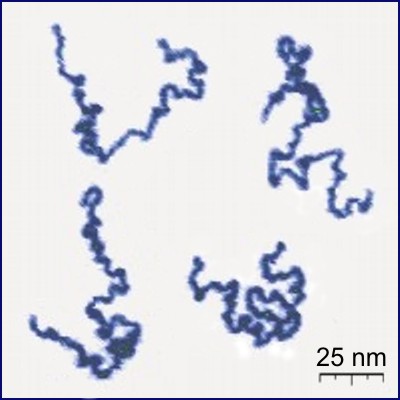
Polymer tank materials are a type of substance or material that consists of very large molecules, or macromolecules, that are constituted by many repeating subunits derived from one or more species of monomers. Due to their broad spectrum of properties, both synthetic and natural polymers play essential and ubiquitous roles in everyday life, including in the construction of polymer tanks. These tanks are created via polymerization of many small molecules, known as monomers, and are used in various industries such as water storage, chemical processing, and oil refining. Polymer tank materials have unique physical properties, including toughness, high elasticity, viscoelasticity, and a tendency to form amorphous and semicrystalline structures rather than crystals. The use of polymer tank materials has increased significantly over the years due to their unique physical properties and versatility.
🎵 Origins & History
Polymer tank materials are used in a variety of applications, including water storage, chemical processing, and oil refining. They have unique physical properties, including toughness, high elasticity, viscoelasticity, and a tendency to form amorphous and semicrystalline structures rather than crystals.
⚙️ How It Works
Polymer tank materials work by combining small molecules, known as monomers, to form large molecules, or macromolecules. This process, known as polymerization, can be achieved through a variety of methods, including chemical reactions, heat, and pressure.
📊 Key Facts & Numbers
The global polymer tank market is expected to be driven by the increasing demand for water storage and chemical processing equipment. Polymer tank materials have unique physical properties and versatility, which has led to their increased use in various industries.
👥 Key People & Organizations
Some key people and organizations involved in the development and production of polymer tank materials have played a significant role in the development of new polymerization techniques and the discovery of new monomers.
🌍 Cultural Impact & Influence
The cultural impact and influence of polymer tank materials can be seen in the many ways they are used in everyday life. From water storage tanks to chemical processing equipment, polymer tank materials play a vital role in many industries.
⚡ Current State & Latest Developments
The current state of polymer tank materials is one of continued innovation and development. New polymerization techniques and the discovery of new monomers are leading to the creation of a wide range of polymer materials with unique properties.
🤔 Controversies & Debates
Some controversies and debates surrounding polymer tank materials include concerns over their environmental impact and the potential for them to leach chemicals into the environment.
🔮 Future Outlook & Predictions
The future outlook for polymer tank materials is one of continued growth and innovation. New polymerization techniques and the discovery of new monomers are expected to lead to the creation of a wide range of polymer materials with unique properties.
💡 Practical Applications
Some practical applications of polymer tank materials include water storage, chemical processing, and oil refining. They are also used in a variety of other industries.
Key Facts
- Year
- 2022
- Origin
- Global
- Category
- tank-materials
- Type
- concept