
Contents
Overview
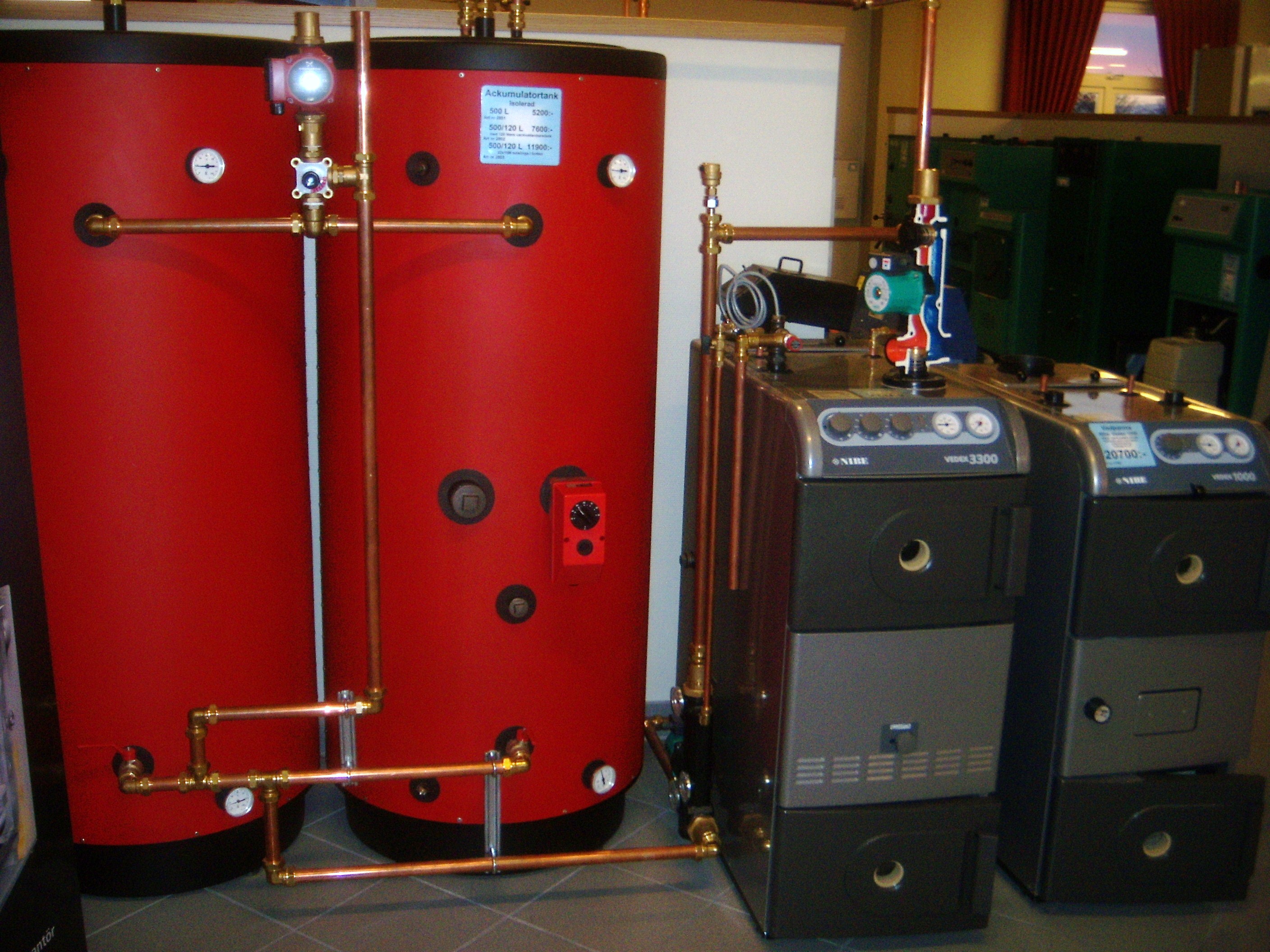
Residential water tanks are an essential component of modern homes, providing a reliable source of water for various domestic needs. Residential water tanks can retain stored heat for days. They come in a variety of shapes, sizes, and configurations to suit different needs and preferences. With the increasing focus on sustainability, residential water tanks are becoming an integral part of eco-friendly homes. As the demand for residential water tanks continues to grow, manufacturers are innovating and expanding their product lines to meet the diverse needs of homeowners. With proper installation, maintenance, and upkeep, residential water tanks can provide years of reliable service, ensuring a steady supply of hot water for washing, bathing, laundry, and other domestic purposes.
Origins & History
Residential water tanks have a long history dating back to ancient civilizations, where people used clay pots and wooden barrels to store water for domestic use. Residential water tanks are an essential component of modern homes, providing a reliable source of water for various domestic needs. For example, tankless water heaters have become increasingly popular in recent years, offering a compact and energy-efficient alternative to traditional tank-style water heaters. Residential water tanks are reportedly used by many homeowners due to their convenience and reliability.
How It Works
Residential water tanks work by storing hot water in an insulated tank, which is typically made of steel, copper, or other materials. The tank is equipped with a heating element, such as an electric immersion heater or a gas burner, which heats the water to a temperature of around 40 to 60 °C (104 to 140 °F). The heated water is then distributed to various parts of the home through a network of pipes, providing a reliable source of hot water for washing, bathing, laundry, and other domestic purposes. Some residential water tanks also come with advanced features such as temperature controls, timers, and sensors, which can help optimize energy efficiency and reduce waste.
Key Facts & Numbers
Residential water tanks come in a variety of shapes, sizes, and configurations to suit different needs and preferences. The most common types of residential water tanks include tank-style water heaters, tankless water heaters, and heat pump water heaters. Tankless water heaters are gaining popularity due to their energy efficiency and compact design. According to some sources, heat pump water heaters are also becoming increasingly popular due to their high efficiency and environmental benefits.
Key People & Organizations
Key people and organizations in the residential water tank industry include manufacturers such as Rheem Manufacturing Company, Bradford White, and A.O. Smith. These companies have been at the forefront of innovation and technological advancements in the industry, providing a range of residential water tank solutions to meet the diverse needs of homeowners. Other key players in the industry include regulatory bodies, which set standards and guidelines for the manufacture and installation of residential water tanks.
Cultural Impact & Influence
Residential water tanks provide a reliable source of hot water for domestic use, which is essential for maintaining personal hygiene, health, and well-being. They are reportedly an important part of modern homes, and their use is widespread. Residential water tanks also have a cultural impact, as they are seen as a necessary component of a comfortable and convenient home.
Current State & Latest Developments
The current state of the residential water tank industry is characterized by increasing demand for innovative solutions. Manufacturers are innovating and expanding their product lines to meet the diverse needs of homeowners, from compact and space-saving designs to large-capacity tanks for bigger households. The industry is witnessing a shift towards smart and connected water heaters, which can optimize energy efficiency and provide real-time monitoring and control.
Controversies & Debates
Controversies and debates surrounding residential water tanks include concerns over energy efficiency and environmental impact. Some critics argue that certain types of residential water tanks are inefficient and wasteful, while others argue that some types are too expensive and complex. There are also debates over the use of certain materials, which can have negative environmental impacts.
Future Outlook & Predictions
The future outlook for residential water tanks is promising, with advancements in technology and innovation expected to drive growth and demand. The industry is expected to witness a shift towards more sustainable solutions, such as smart and connected water heaters. According to some sources, the global residential water tank market is expected to grow in the coming years, driven by increasing demand for innovative and efficient solutions.
Practical Applications
Residential water tanks have practical applications in homes, providing a reliable source of hot water for domestic use. They are reportedly easy to install and maintain, and their use can help reduce energy consumption and waste. With proper installation, maintenance, and upkeep, residential water tanks can provide years of reliable service, ensuring a steady supply of hot water for washing, bathing, laundry, and other domestic purposes.
Key Facts
- Category
- custom-tanks
- Type
- topic